Open Digital Planning: Month 8
January 2026 — Digital Planning Improvement Fund — Cohort 3
Summary
January has been about tackling our most complex data challenges and securing some valuable “quick wins” for our internal teams. We have made significant strides in publishing datasets and preparing for an exciting collaboration with AI.
Having enjoyed the holiday downtime and some New Year celebrations, the team is back at work on our Open Digital Planning commitment. January has been about tackling our most complex data challenges and securing some valuable “quick wins” for our internal teams.
We have made significant strides in publishing datasets and preparing for an exciting collaboration with AI.
Exploring AI Solutions for TPOs
Our remaining dataset - Tree Preservation Orders (TPOs) - remains the most demanding aspect of this project. Due to the nature of our two-authority structure (Adur and Worthing) and legacy issues like missing documentation, cleansing this data is a complex and time comsuming task. However, we are on track to upload this by the end of March 2026.
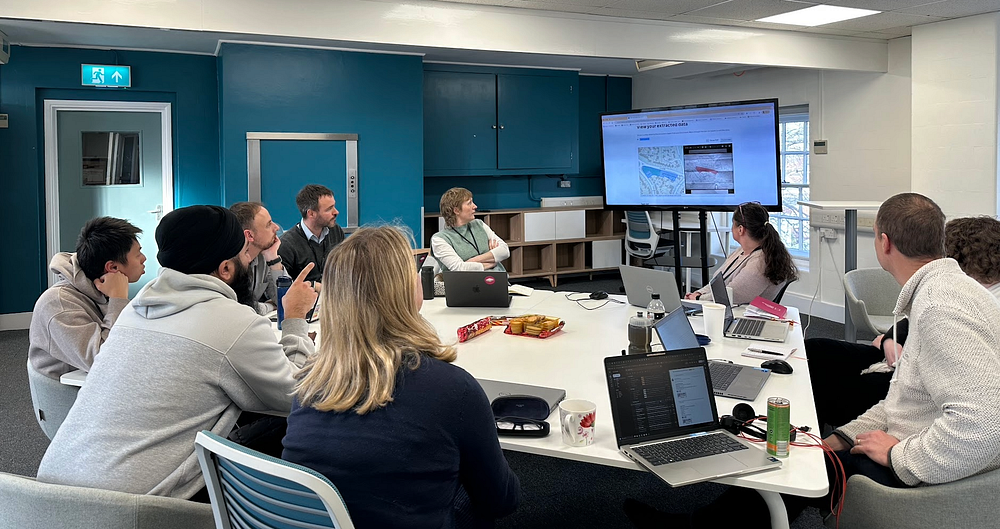
To support this massive effort, we are looking at how new technology can assist our processes. We were immensely grateful for the team at Incubator for AI, Department of Science and Technology reaching out after reading another one of our blog posts.
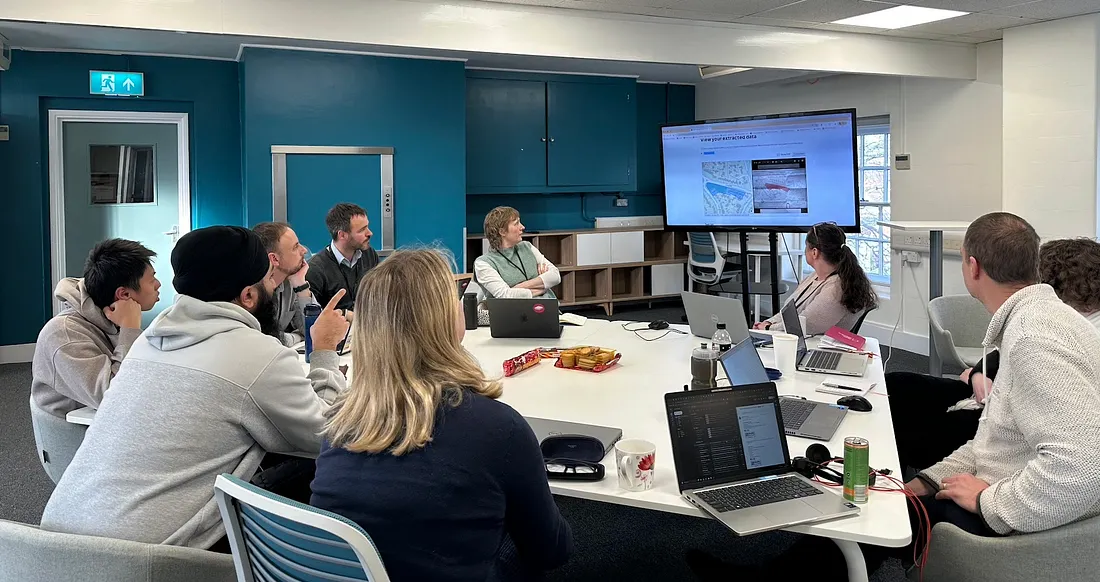
This month they took the time to visit us and do some live demos of Extract, which uses AI to gather rich structured data from old TPO documents. It shows huge promise as a time-saving tool for plotting our TPOs. We also walked them through some of our complex processes across different systems we use to maintain the data.
We are looking forward to showing the i.AI team more about our current workflow and user-testing the Extract AI tool to see if it can streamline the heavy lifting involved in digitizing these orders.
Data Milestones: Listed Buildings Published
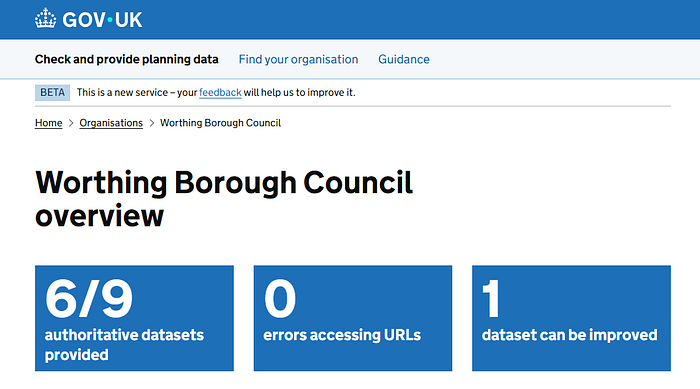
Beyond the TPO work, our datasets received a huge boost this month. We successfully resolved a lingering data upload issue, allowing us to tick off several completed tasks:
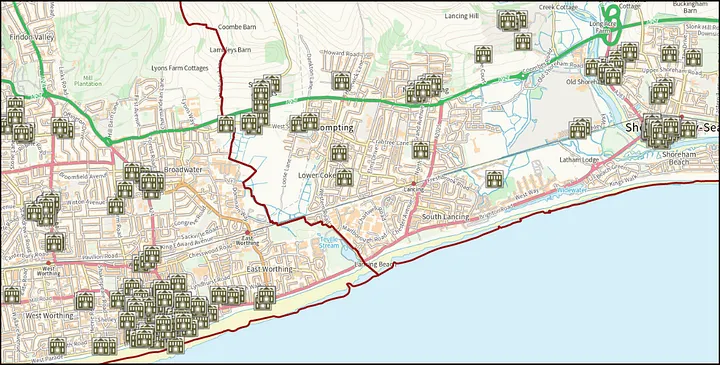
- Listed Buildings: The datasets for both Adur and Worthing are now published.
- Bug Fixes: The ‘extra’ document parts of Conservation Areas and Article 4 Directions now have new webservice URLs and are fully published, resolving previous bugs.
There are currently just three listed buildings that require expert verification before being added, which will take place very soon.
Policy Wins: The “Feel Good” Factor
We were also able to progress some transformational work for our Planning Policy team. Sometimes, the smallest fixes yield the best results for staff morale.
To simplify data gathering for the Annual Return, the Policy team requested improvements to the maintenance of the Self Build and Custom House Building Register.
- We adjusted the form to allow for easier data correction.
- We added new columns for data summarisation which feed directly into pivot tables.
This provides a quick summary of the data necessary for the Annual Return, saving the team valuable time on reporting. It is a small win, but one that goes a long way in improving the daily working experience for our colleagues.
Challenges and Learning
While we celebrate the wins, we are transparent about the challenges. Business as Usual demands continue to press on our Planning representatives.
To mitigate this, we are currently training staff brought in to share the load. While training new members adds short-term demand to existing experts, it has the long-term benefit of enriching the team and ending “single points of failure” regarding technical knowledge.
What’s Next?
As we move into February, our focus remains tight on our final data targets:
- TPO Focus: Continue the cleansing work for TPOs (our biggest dataset) and conduct user testing with Extract AI.
- Self Build Update: Planning Policy will email all applicants currently on the register to confirm their status; those choosing to leave will have their entries removed.
- Future Tools: We will begin exploring potential opportunities with PlanX.
- Transformation: Re-planning time for further internal process improvements.