One year in …
at Adur & Worthing Councils Digital team
Summary
Originally published on Adur & Worthing Councils — Our Stories, Your Councils, 30th July 2018 After a short unintended hiatus, I’m here blogging again. So much has happened in the past few weeks since my last blog — it’s been a fantastic, although busy time. The highlight has to have been walking...
Originally published on Adur & Worthing Councils — Our Stories, Your Councils, 30th July 2018
After a short unintended hiatus, I’m here blogging again. So much has happened in the past few weeks since my last blog — it’s been a fantastic, although busy time. The highlight has to have been walking in the first ever Worthing Pride with friends and colleagues. It meant a huge amount to me that members of the Digital team joined too. I was amazed at the sight of so many people supporting diversity for everyone in Worthing.
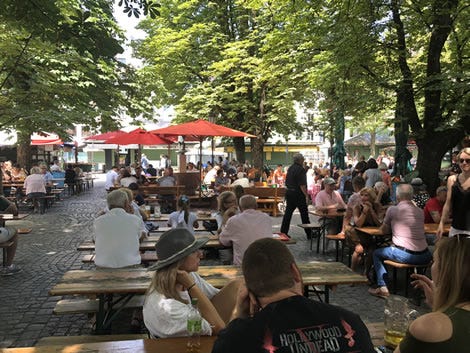
It has also been my first year anniversary of working at the councils. I’m currently sitting in the shade of the trees in one of the beautiful beer gardens in Viktualienmarkt, Munich — a colourful market that’s been around since the 1800s. I’m writing this and reflecting on all that I have learnt in that first year.
While I like to think I’ve brought certain skills with me, I have undoubtedly learnt a huge amount. It is fantastic to be part of a team that is growing, not just in size but also in knowledge — and being able to feed off each other’s skills.
We are on the cusp of delivering some important new public facing systems for social housing repairs and waste services. The exciting area for me has been joining the Digital team when we are still honing our development process. A process that starts with our customers and seeks to understand their needs, without making assumptions.
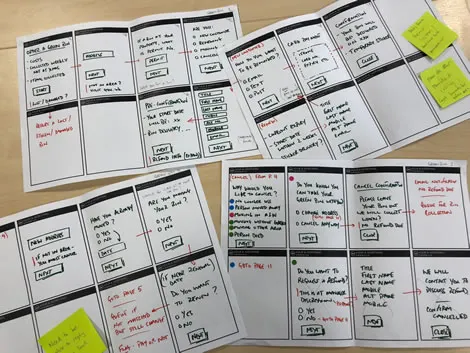
So how does this process work? At the start of a project we consult customers either by speaking to or surveying, and start to document their ‘user stories’. These are user requirements captured in a way to show value rather than technical requirements. From this we start to sketch how the screens might look and flow as part of a system.
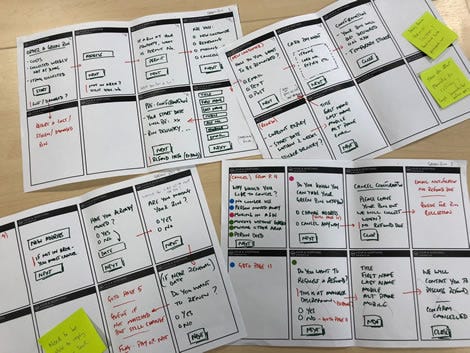
Taking these sketches a stage further we build ‘low fidelity’ screens that have a small amount of interactivity to step through the user flow and testing the process with a smaller group of customers.
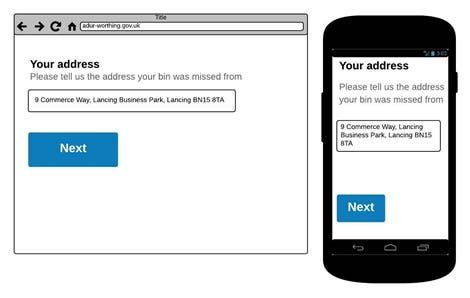
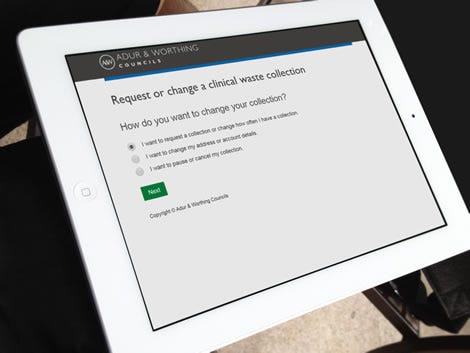
Once this process has been demonstrated to work, we build the application in our low-code platform. An extremely powerful application that has started to connect and open up data between our systems. We are now also taking the great user research and digital standards from the Government Digital Service Toolkit and implementing these in our own products. We hope this will give a more consistent customer usability moving forward.
Next week I’ll be introducing the budding chefs in the Digital team as we host our very own ‘flapjack bake off’.